Kajabi Sales Page vs Checkout Page: Which Should You Use?
Feb 21, 2026
I get this question more than you’d expect.
Someone is building an offer in Kajabi and they pause halfway through because they aren’t sure whether they need a full sales page or if they can just send people straight to checkout. It feels like a small decision, but it changes the entire buying experience.
The simplest way to think about it is this: the two pages exist at different moments in the buyer’s head.
A sales page is where someone is still deciding. They’re trying to understand the problem more clearly, evaluate whether your approach makes sense, and figure out whether this offer is right for them. That process takes space. It requires structure. It benefits from thoughtful pacing.
A checkout page comes later. By the time someone lands there, the internal decision is largely made. They aren’t asking, “Is this valuable?” They’re asking, “Am I ready to move forward?”
That difference matters.
If you’re selling something that requires explanation — a coaching container, a higher-ticket program, or anything north of a few hundred dollars — most people will need the clarity that a proper sales page provides. They want context. They want to understand what they’re stepping into. They want to feel grounded in the decision.
Skipping that step and pushing them directly to checkout often creates friction you can’t see. It shows up as abandoned carts or quiet hesitation.
On the other hand, not every offer needs a long runway.
If you’re launching a $47 workshop, a $97 mini-course, or even a well-positioned offer under $299, the buying psychology shifts. The risk feels manageable. The commitment feels contained. In that case, a carefully structured checkout page can carry more weight than people assume.
This is actually why I design my Kajabi checkout templates the way I do.
They aren’t stripped-down payment forms. They include just enough positioning to orient someone, reinforce what they’re purchasing, and answer the last practical questions that might surface before clicking “Complete Order.” For lower-ticket offers, that structure is often sufficient on its own.
It creates a smooth, compressed buying experience without feeling rushed.
So how do you decide which route to take?
Start with the offer itself.
If the transformation is layered or nuanced, give it room. Let the sales page do its job. Use the checkout page as the final step once someone feels fully aligned.
If the offer is simple, specific, and low-risk, you can streamline the path. A well-designed checkout page can function as both explanation and transaction point, especially if your audience already knows you.
Price, trust, and complexity usually tell you everything you need to know.

There’s also a practical design consideration here. Sales pages are built to hold longer-form content. They rely on hierarchy, pacing, and visual flow to guide attention. Checkout pages prioritize clarity and calm. They need to feel stable and straightforward, not visually busy or overwhelming.
When those two roles are respected, the experience feels seamless. When they’re blurred together, the structure starts to feel either bloated or abrupt.
Most coaches don’t need more pages. They need the right pages in the right order.
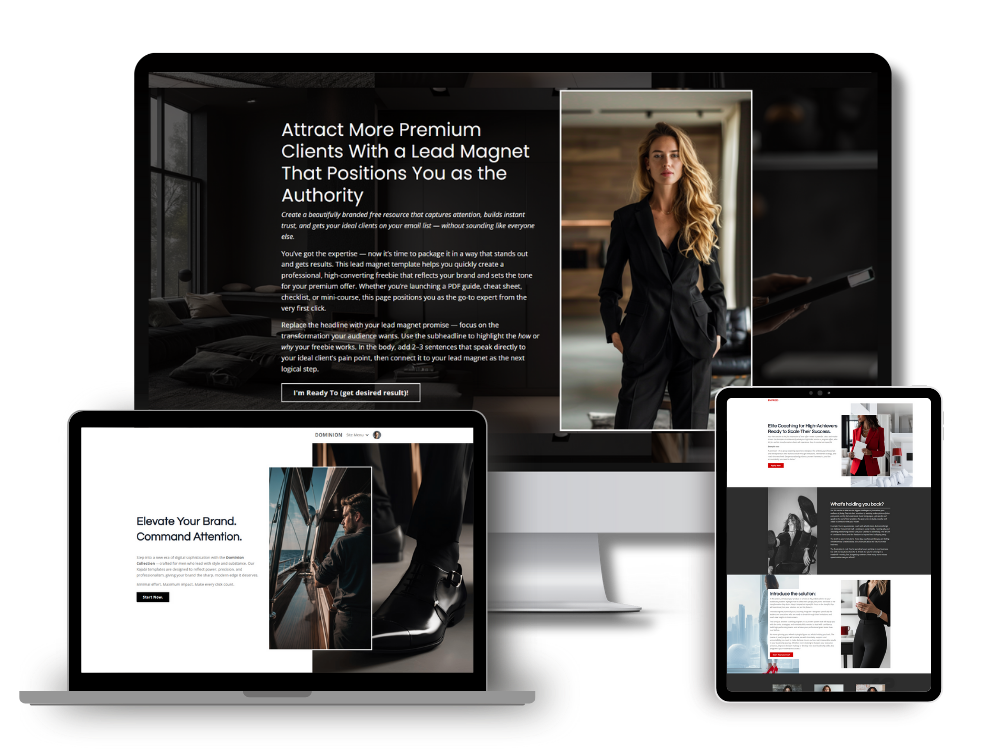
If you’re building out a higher-ticket coaching offer, start with a strong Kajabi Sales Page Template and pair it with a clean checkout that preserves confidence through the final step.
If you’re launching a lower-ticket digital product or entry-level offer, a thoughtfully structured Kajabi Checkout Template may be all you need.
Both approaches work. The key is matching the structure to the stage of decision your buyer is in.
In the next article, we’ll look at Kajabi Website Design Mistakes That Cost Coaches Sales, because even the right page structure won’t help if the overall design undermines trust.
Simon
Grab my free High Ticket Coach Branding Guide
A free guide for coaches, consultants, and creators who are ready to ditch the DIY look and step into a cohesive, premium brand presence that sells.
We hate SPAM. We will never sell your information, for any reason.