Free vs Paid Kajabi Templates: What High-End Coaches Should Know
Jan 27, 2026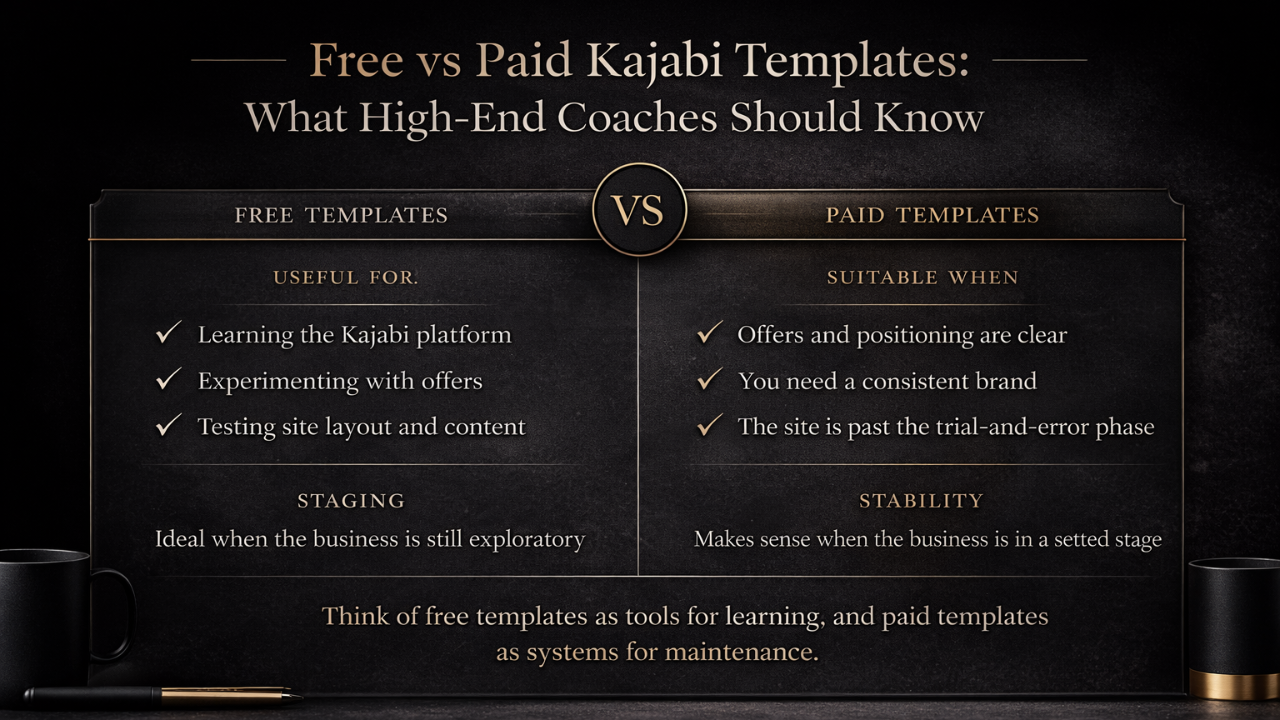
I want to talk about free versus paid Kajabi templates in a more grounded way, because this decision is often framed as a value judgment instead of a timing decision.
Most conversations around this topic turn into arguments about quality, polish, or professionalism. That misses the real question. The real question is when each option actually makes sense.
Free and paid templates serve different purposes. Problems only show up when they’re used outside the stage they’re meant for.
Free Kajabi templates are often where people start, and that’s not a mistake. They’re useful when you’re learning the platform, experimenting with offers, or trying to understand how Kajabi handles layout and structure. At that stage, flexibility matters more than refinement.
You’re changing things often. You’re testing directions. You’re still discovering what needs to exist on the page and what doesn’t. Free templates make sense there because they keep the barrier to entry low and allow for trial and error.
Where free templates start to fall short is when experimentation slows down.
Once you know what you’re selling and who it’s for, the cost of constantly adjusting layouts becomes more noticeable. Pages start to drift. Each update introduces small inconsistencies. Nothing is broken, but nothing feels settled either.
That’s usually the moment people begin looking at paid templates.
Paid Kajabi templates aren’t inherently better. They’re just built with a different assumption. They assume you want stability more than flexibility. They assume your offers are defined and your site needs to support them consistently over time.
For high-end coaches in particular, that stability matters.
Most high-end coaching businesses aren’t built on urgency. They’re built on trust, reputation, and repeated exposure. People visit your site, leave, come back, and eventually decide. Your website becomes part of that ongoing relationship.
In that context, structure matters more than novelty.
Paid templates tend to handle hierarchy and spacing more deliberately. They reduce the number of decisions you have to make when adding or updating content. Over time, that reduces friction and keeps the site from feeling provisional.
That doesn’t mean paid templates are restrictive. The good ones are quietly flexible. They give you room to evolve without requiring redesigns every few months.
The mistake I see most often is people upgrading too early or too late.
Upgrading too early means locking into a structure before you understand your business well enough to benefit from it. That can feel frustrating and unnecessary. Upgrading too late means carrying design debt longer than you need to, which quietly drains time and attention.
Neither is catastrophic, but both are avoidable.
For most high-end coaches, paid templates start to make sense when the business itself has stabilized. When offers are clear. When positioning feels intentional. When the site needs to feel resolved, not exploratory.
At that point, the value of a paid template isn’t speed. It’s consistency. It’s knowing that the structure will hold as you refine messaging, add pages, or adjust offers.
That’s also why paid templates tend to pay for themselves over time. Not because they generate revenue directly, but because they remove unnecessary decisions and rework.
So the question isn’t whether free or paid Kajabi templates are better.
The question is whether your business is still discovering itself or ready to support what already exists.
Free templates are tools for learning.
Paid templates are systems for maintenance.
Once you see it that way, the decision becomes much simpler.
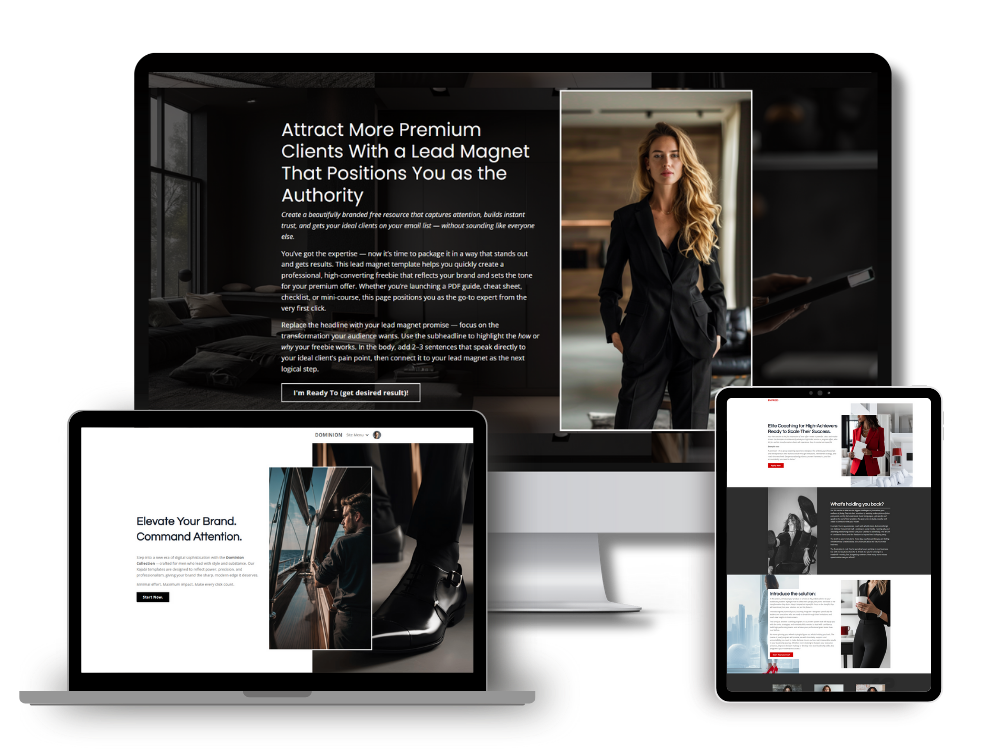
If you want to explore how I approach paid Kajabi templates for coaches who are past the experimentation phase, you can browse my templates here. They’re designed to support clarity, consistency, and long-term use without relying on trends.
Next, I’ll break down how to choose the right Kajabi template based on where your business is today, so you’re not upgrading too early or waiting longer than necessary.
Simon
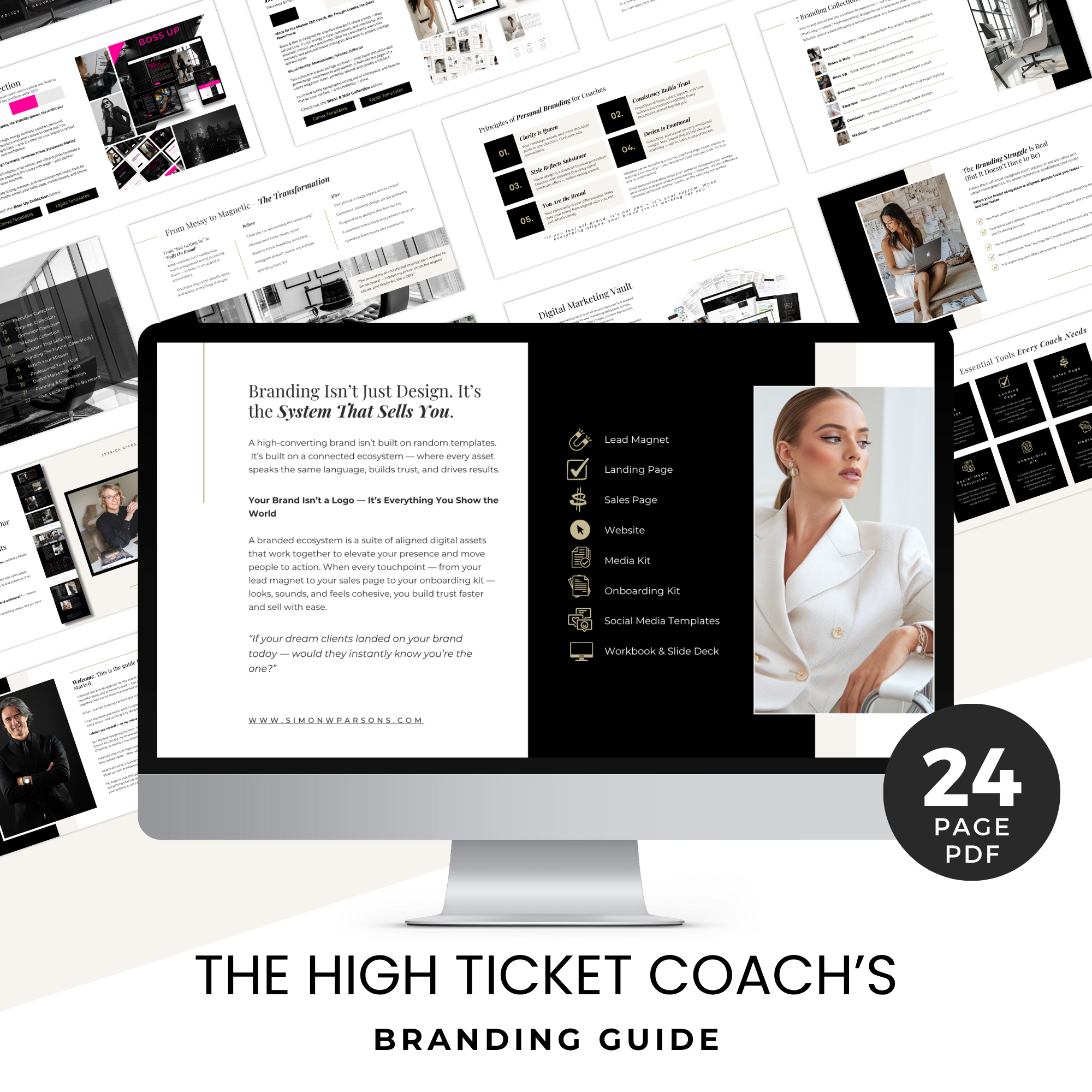
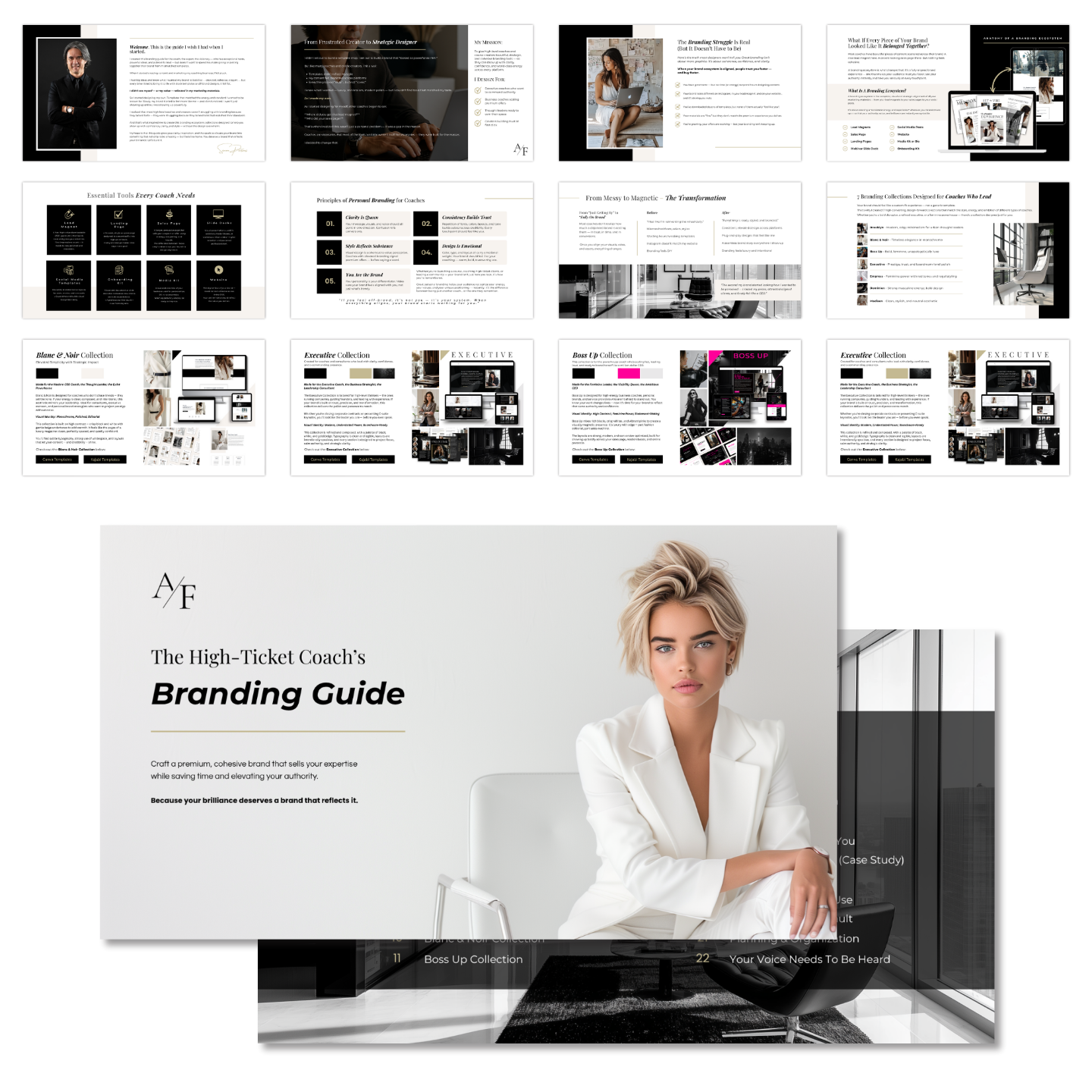
Grab my free High Ticket Coach Branding Guide
A free guide for coaches, consultants, and creators who are ready to ditch the DIY look and step into a cohesive, premium brand presence that sells.
We hate SPAM. We will never sell your information, for any reason.